Brand Is Infrastructure Now

There's a thesis making its way through VC circles right now that I can't stop thinking about.
The short version: AI is compressing the competitive advantage of software features so fast that companies are running out of time to build real defensibility. Product superiority used to give you 18-24 months of runway before competitors caught up. Now, by most accounts, it's closer to six.
The response most companies land on? Better AI features. Faster shipping. More automation.
That's the wrong answer. Or at least, it's an incomplete one.
When every competitor can replicate your features in the same compressed timeframe, the question stops being what you build and starts being who you are.
Brand stops being a marketing deliverable and starts being one of the few genuinely hard things to copy, even with a thousand AI agents running overnight. In that environment, brand isn't a department or a campaign. It's infrastructure. It's the foundation that everything else runs on top of.
Here's the problem: most companies have absolutely no idea how to build it that way.
The brand-as-decoration problem
For most of the past decade, product was doing the heavy lifting. Differentiation lived in the feature set, the UX, the integrations roadmap. Brand was the wrapper around all of that. The logo. The color palette. The brand guidelines PDF that got a lot of love during launch week and then lived quietly on a shared drive, mostly unopened.
That worked fine when the product itself could carry the weight. When your features were genuinely better and your competitors needed years to close the gap, the brand document didn't have to do much. Consistent visuals. Clear messaging. Ship it and move on.
That era is ending. Faster than most creative leaders and CMOs are prepared for.
The companies that figured this out early aren't treating brand as output anymore. They're treating it as operating system. Something that shapes how they hire, how they price, who they say yes to, what they refuse to do. Brand as the pattern of decisions made across an entire organization, not just the visual language applied to their marketing site.
Maybe the distinction sounds abstract, but I assure you: it's not.
What brand-as-infrastructure actually looks like
Anthropic is the clearest current example I can point to. They're not just "another AI company" because they've operationalized a specific and somewhat contrarian point of view about what AI should do for people, and that position is genuinely load-bearing. It attracts a specific kind of talent, which shapes the culture, which shapes the product decisions, which shapes the positioning, which compounds into something that gets harder to replicate the longer it runs. You can debate how consistently they execute on it. But the architecture is real, and it's not an accident.
What Anthropic did isn't magic. It's a particular kind of discipline. They decided who they were before the market could decide for them, and then they built systems around it so the decision didn't have to get remade every quarter when a new exec joined or a new competitive pressure emerged.
Most companies skip that part. They define the brand at launch (or at rebrand), get the visual identity right, write the positioning statement, and then let the actual organizational behavior drift away from it over time. The brand says one thing. The sales team promises something different. The product team ships things that don't quite fit the story. Customer success communicates in a tone that feels like a different company entirely. Nobody's being malicious. It's just what happens when brand lives in a document instead of in the decision-making infrastructure.
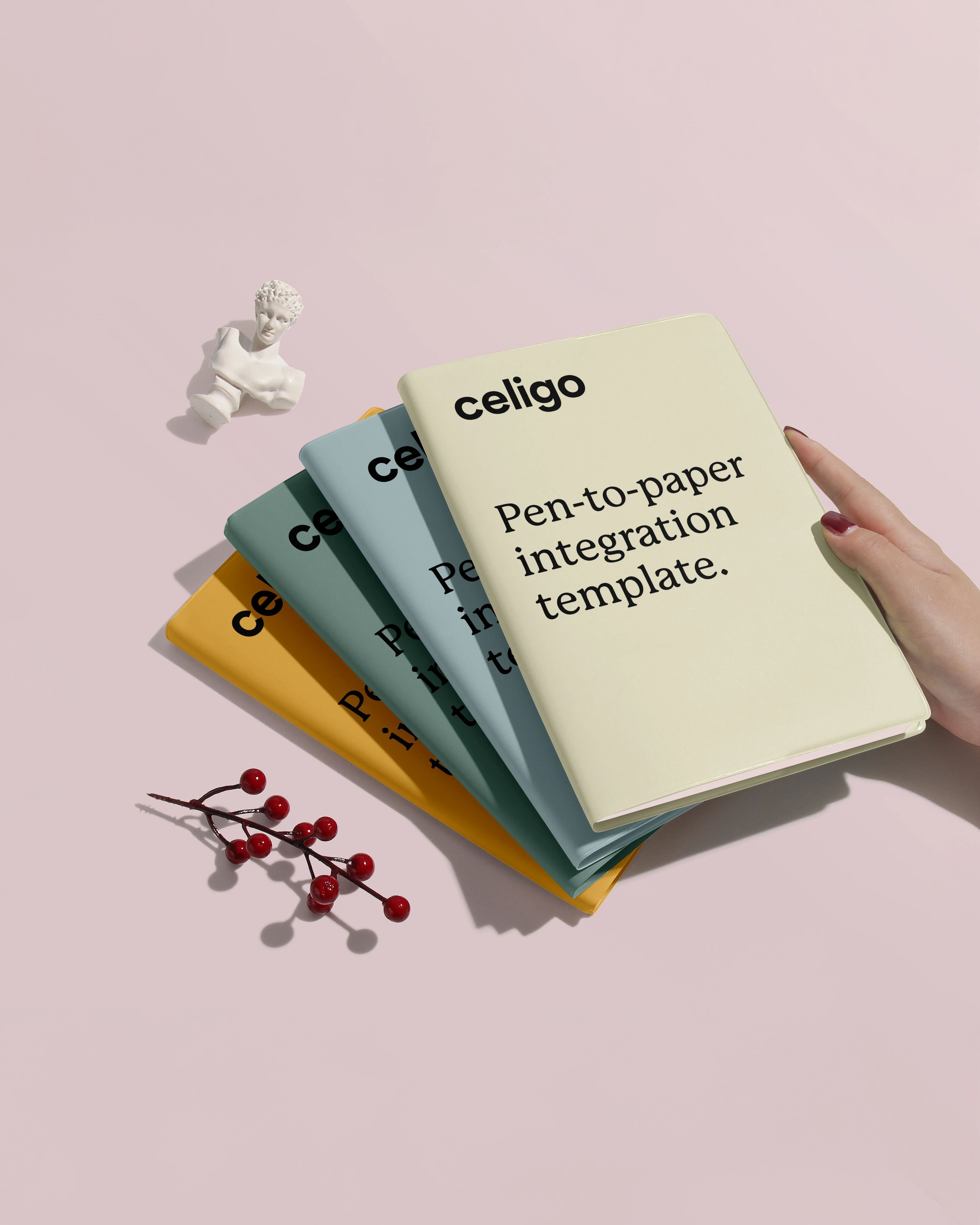
I've watched this up close a few times. At Celigo, one of the things we had to solve for during the rebrand wasn't just the visual identity or the messaging. It was making sure the brand could survive contact with 700+ employees across a global organization, most of whom had very little context for why we were doing this or what we were actually trying to say. If we'd handed everyone a style guide and called it done, we'd have gotten surface compliance at best. Fragmented execution at worst.
What we built instead was closer to an operating framework. Detailed guidelines, yes, but ones that explained the intention behind every decision, not just the spec. Training materials written so that people could internalize the rationale, not just memorize the rules. Design systems built in Figma with a token-based architecture that made it genuinely easy to apply the brand correctly and genuinely hard to apply it wrong. The goal was autonomous, consistent execution across teams who didn't have time to route every decision through creative.
That's brand as infrastructure. It might not be glamorous or always look great in a case study gallery. But it's the difference between a rebrand that holds and one that quietly dissolves back into whatever the organization was before.
The leadership gap
Here's where the larger market problem gets interesting, and frankly, a bit uncomfortable for companies trying to compete in the next few years.
Building brand as infrastructure requires a different kind of creative leadership than most tech companies have been hiring for.
The old model was essentially creative execution at scale: someone who could run a team, produce great work, keep the guidelines consistent, and translate brand standards into assets on deadline. That skillset still matters. But it doesn't address what's actually needed now.
What's actually needed is someone who can be in the room when the decisions get made that determine what the brand is. Not just the decisions about how the brand gets applied to a campaign. The earlier, harder decisions: how the company positions itself in a crowded market, what it's willing to say publicly about things that matter, which customer segments it refuses to chase even when the revenue is tempting, how it treats the people who work there. Those decisions are the brand. Everything visual is just evidence.
That requires a creative leader who can speak fluently across functions. Someone who can sit in a pricing conversation and say, credibly, this approach conflicts with who we say we are. Who can push back on a product roadmap decision not because it's aesthetically wrong but because it contradicts the story the company is trying to tell the market. Who understands that brand consistency isn't about color codes, it's about the coherence between what you claim and what you do.
Most companies haven't made that hire. They've got solid designers. Maybe a capable brand manager. A retained agency. What they don't have is a creative leader with actual organizational authority and the business literacy to use it. Someone who's at the table before the decision, not after, when the job is to figure out how to make the thing look good anyway.
That gap is widening. And as feature parity accelerates, it's going to get expensive fast.
The compounding advantage
One more thing worth sitting with: brand infrastructure compounds in a way that feature parity doesn't.
A competitor can match your feature set. With enough AI tooling and engineering resources, they can probably do it faster than you'd like. But they can't fast-follow a culture that genuinely believes something. They can't replicate five years of consistent decisions that all pointed in the same direction. They can't copy the specific quality of trust that builds up when a company keeps being who it says it is, across thousands of small moments that most customers never consciously notice but definitely feel.
That's the real case for investing in brand as infrastructure right now, before the feature compression fully hits your market. Not because it's intrinsically more interesting than building better AI features (though it might be), but because it's the one category of competitive advantage that gets harder to copy over time rather than easier.
The companies that treat brand as decoration will have a logo. A style guide. A campaign or two. When the product differentiation compresses, they'll compete on price.
The ones that built brand into their operating infrastructure will have something worth defending.
That's not a design problem. It's a leadership problem. And it's one most companies still haven't recognized they have.
I'm currently seeking Director/VP-level creative leadership roles at established tech/SaaS companies. My background includes:
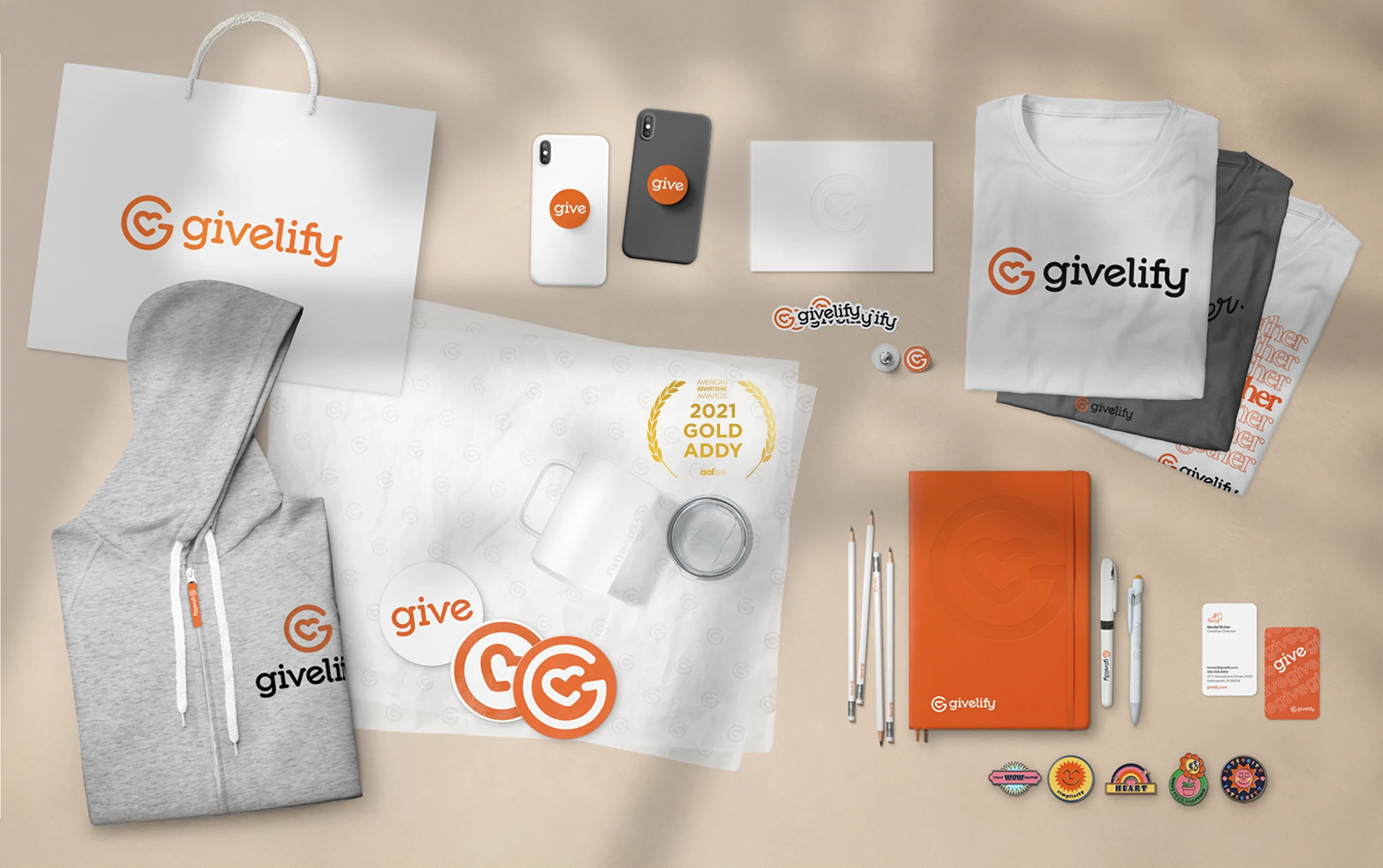
Brand Transformation: Led award-winning rebrand at Celigo (GDUSA, Gold ADDY recognition) that saved $500K+ on a single project
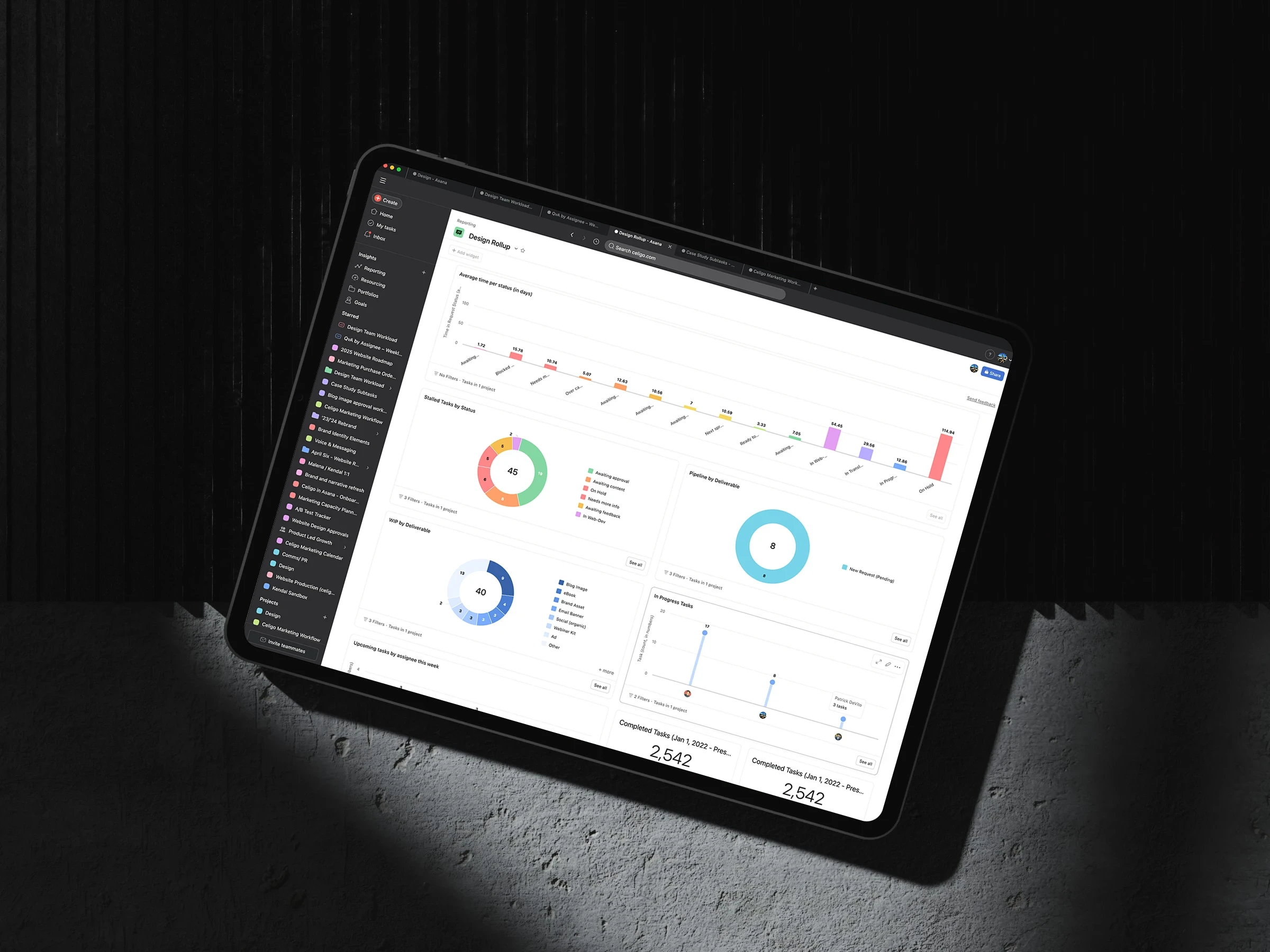
Creative Operations: Built systems that increased team output 238% while maintaining quality
Strategic Innovation: Developed AI-powered tools and data-informed processes that connect creative excellence to measurable business impact
View my portfolio or connect with me on LinkedIn if you'd like to chat about creative leadership, operational excellence, or how to build more research-informed creative teams.