Why I'd Choose an "Ugly" Design, if it Performs Better

Everyone wants portfolio-worthy work. Clean interfaces, elegant typography, the kind of design that makes other designers nod approvingly at conferences. I get it. And part of me wants that too.
I had a conversation the other day that made me think about this more deeply.
I was talking to a good friend of mine who’d been redesigning a SaaS product interface for a client. The existing design looked like it was built in 2007 (because it was). His team created something beautiful: Modern color palette, contemporary sans-serif typography, generous white space, subtle micro-interactions. I thought it looked lovely and was everything you'd expect from a 2025 redesign.
But then he tested it with actual users…it bombed.
Not just "needs some tweaks" bombed either, but like, conversion rates dropped 23% bombed. Users couldn't find core features. The onboarding flow that had looked so elegant in prototypes? People abandoned it at twice the rate of the old version.
So he did something that hurt. He rolled back most of the aesthetic improvements. Kept the clunky navigation and dense information layouts. He even kept some of the outdated visual patterns that made his design team wince.
The result? Conversion rates jumped 38% above the original baseline. Task completion times improved. Support tickets decreased.
The "ugly" design worked better.
What This Actually Reveals
This tension between aesthetic excellence and performance isn't new, but I think we've been framing it wrong. It's not really about beautiful versus ugly. It's about understanding what "good design" actually means in a specific context.
Here's what I realized and shared with my friend: The original interface looked dated because it had been optimized through years of actual use. Almost every seemingly arbitrary design choice was actually solving a real problem, for real users.
The visual dated-ness was just surface. The underlying logic was battle-tested.
The beautiful redesign solved problems that didn't exist. His team had fixed "visual clutter" that was actually information density their power users needed. They’d simplified navigation that was actually providing crucial context. He’d modernized patterns that users had already learned. They’d designed for their portfolio, not for their business.
Why This Matters Beyond One Project
I'm not arguing that aesthetics don't matter. They absolutely do. Brand perception, trust signals, emotional connection...these things are real and measurable. Beautiful design often does perform better, especially in consumer contexts where you're competing for attention.
But here's the thing: as creative professionals, we have to be honest about what we're optimizing for. Are we solving the actual problem? Or are we solving the problem we wish we had?
When a client comes to us wanting a redesign, our first question should be: "What's broken?" not "How can we make this look more contemporary?"
Sometimes the answer is genuinely about visual modernization. A dated interface can undermine trust. Inconsistent branding can confuse customers. Poor visual hierarchy can hide your value proposition.
But sometimes (more often than we'd like to admit) the real problem is somewhere else entirely. The design looks ugly because the underlying product experience is complicated. You can't polish that away with better typography.
The Business Case for Ugly
Here's what this means for business outcomes: every dollar spent on design work that doesn't improve performance is a dollar wasted. Actually, it's worse than wasted, because you've also consumed time, delayed other initiatives, and potentially made things worse.
The companies that win aren't necessarily the ones with the most beautiful products. They're the ones who understand what their users actually need and optimize relentlessly for that...even when it means keeping designs that won't win awards.
This is especially true in B2B SaaS, where your users are often experienced professionals who value functionality over aesthetics. They'll forgive ugly and outdated visual language if your product helps them do their job efficiently, but they won't forgive beautiful design that gets in their way.
So What Do We Do?
Test. Measure. Be willing to be wrong about what "good" looks like.
Build beautiful things, absolutely. But build beautiful things that work. And if you have to choose between something that looks amazing and something that performs better? Choose performance every single time. You can always improve aesthetics later. You can't always recover from launching something that looks great but doesn't solve the actual problem.
The best design is the one that achieves the business objective, even if it's not the one you'd put on Dribbble.
I'm currently seeking Director/VP-level creative leadership roles at established tech/SaaS companies. My background includes:
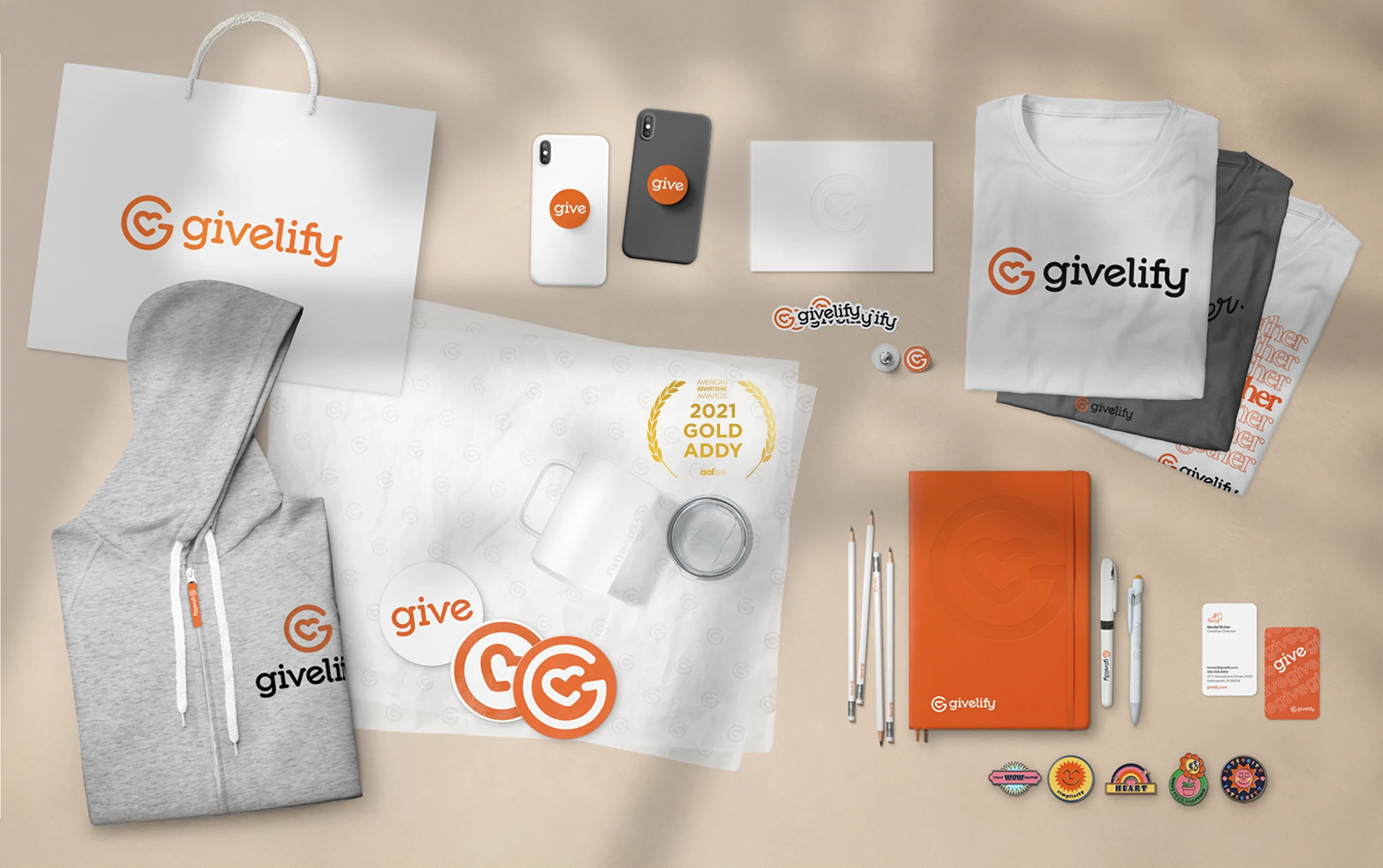
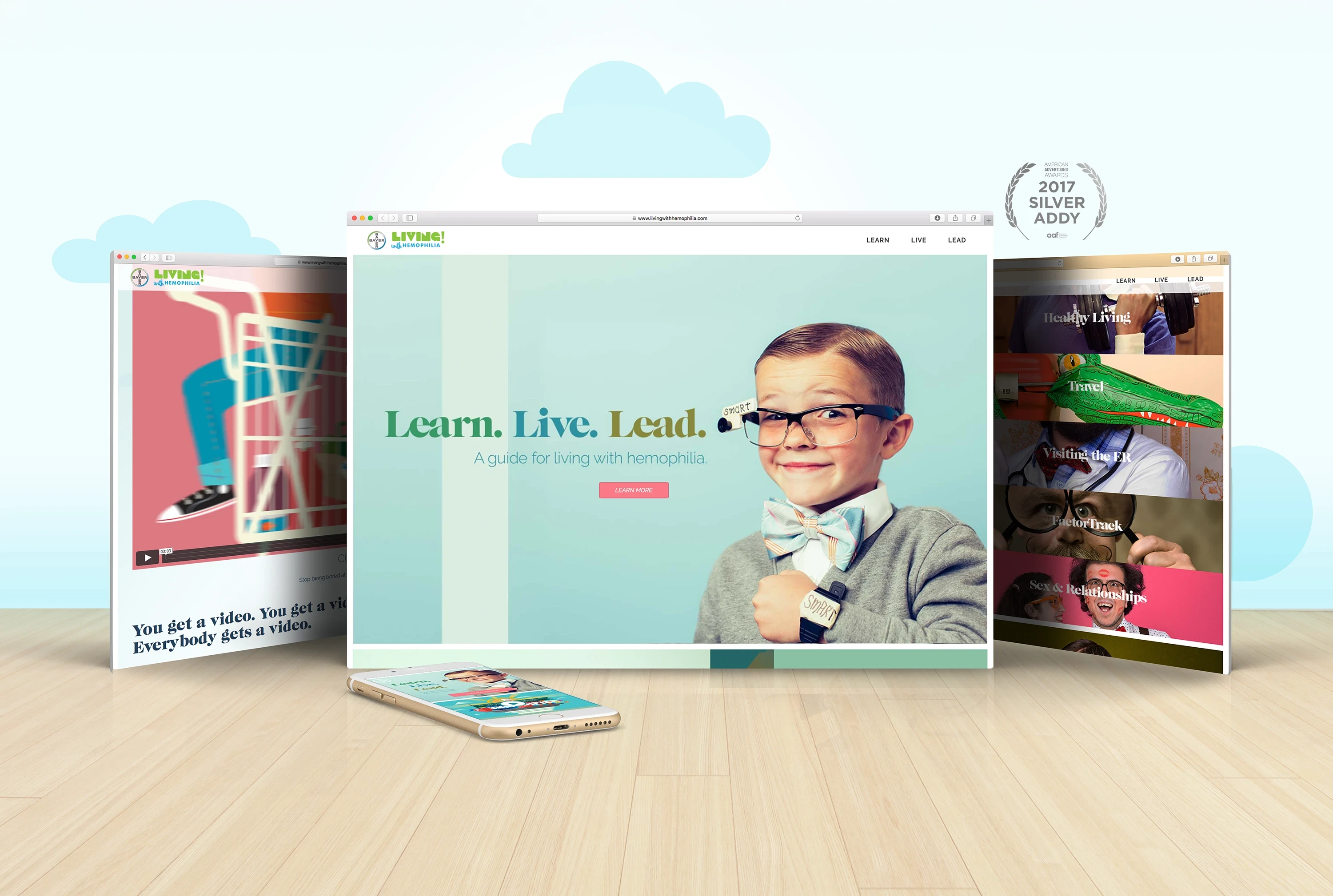
Brand Transformation: Led award-winning rebrand at Celigo (GDUSA, Gold ADDY recognition) that saved $500K+ on a single project
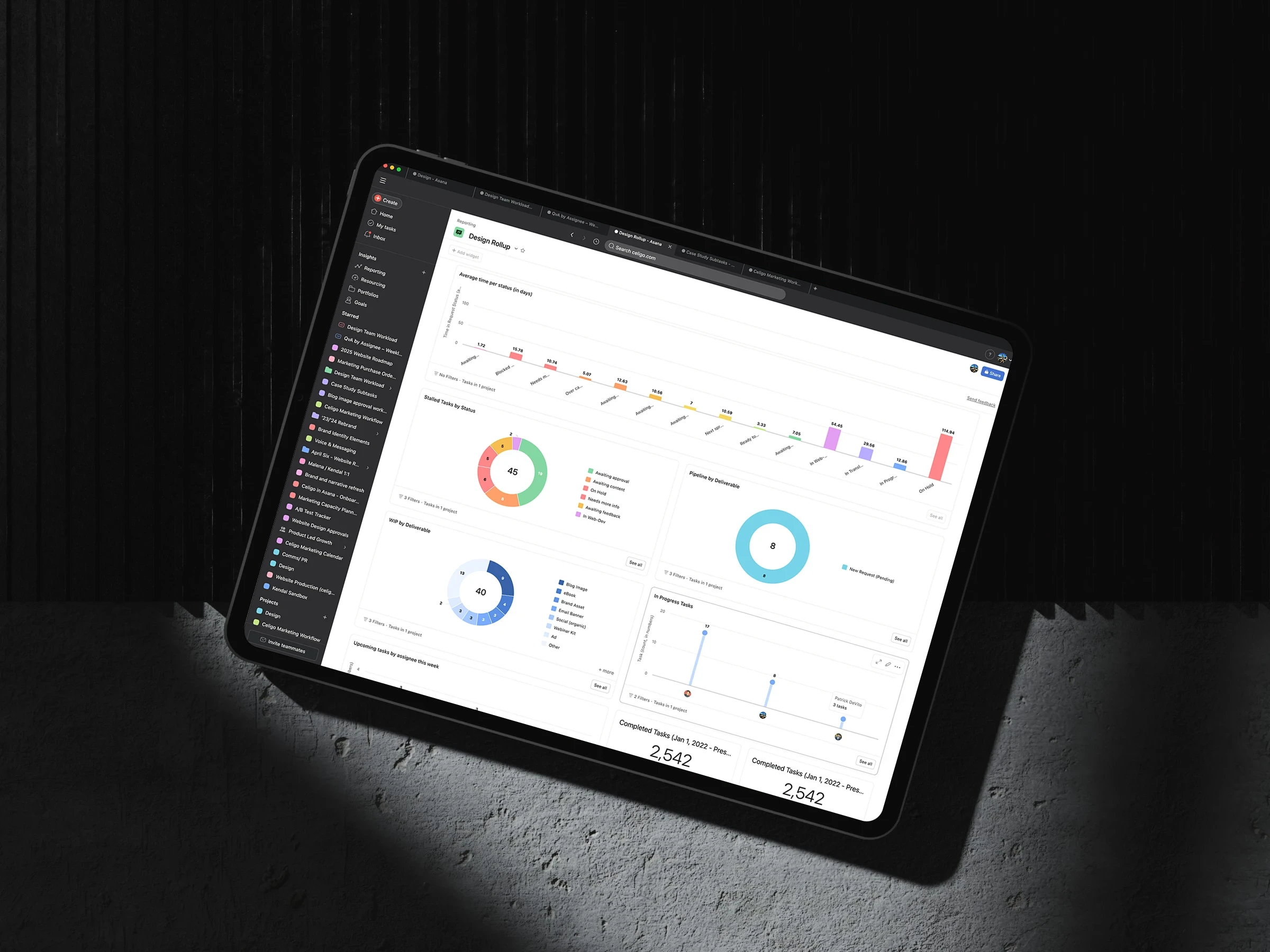
Creative Operations: Built systems that increased team output 238% while maintaining quality
Strategic Innovation: Developed AI-powered tools and data-informed processes that connect creative excellence to measurable business impact
View my portfolio or connect with me on LinkedIn if you'd like to chat about creative leadership, operational excellence, or how to build more research-informed creative teams.