Why I Killed the Three Concept Presentation, and What Happened Afterwards

The meeting on my calendar said "rebrand brainstorm." What it actually was, at least for me, was the moment I'd either validate a year's worth of thinking or find out I'd completely misread the room.
I was in Celigo's California headquarters with our CMO, our VP of Brand, and our Art Director. We'd just wrapped two hours of white boarding: the why, the who, the differentiators, the whole foundational positioning exercise. Good session. And, as we finished, the plan was to reconvene the next day and start loosely mood boarding, tossing out initial visual directions.
While everyone gathered their things and prepared to head out for our team dinner, I said something like, "I've actually been thinking about this for the better part of a year. Before we start tomorrow, mind if I share some things first?"
They said sure. Go for it.
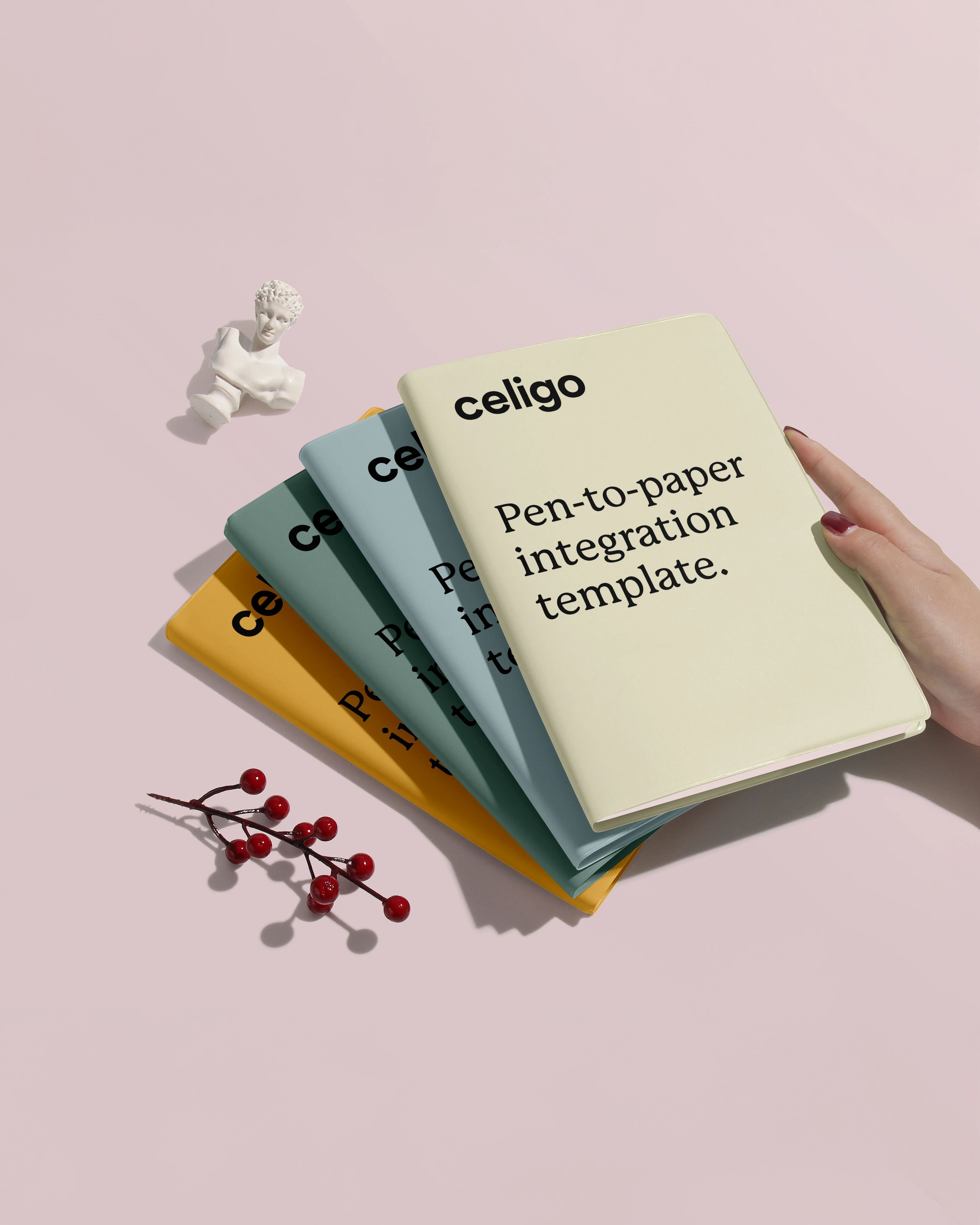
So the next morning, I pulled up a presentation that looked shockingly similar to what eventually launched as Celigo's brand. One concept. Fully built. No alternatives in a back pocket. No direction A, B, and C to give everyone something to argue over.
I want to be honest: that was a gamble. I was still relatively new to the company. The CMO had reviewed more agency pitches than I could count, including in a previous life as CMO at NetApp. If he hated what I'd built, there was no pivot. No safety net. Just a very long flight home to Ohio and an even tougher-than-usual Monday morning.
And, while the general point I'm trying to make here is that the three concept presentation format is a stupid rule of thumb, I'm not writing this to argue that one concept should always be the new rule of thumb either. What I presented that morning at our HQ wasn't right because of some universal rule. It was right for that situation — and that distinction matters more than most creative teams ever stop to think about.
The actual problem isn't presenting multiple concepts. It's presenting them without a reason.
There are genuinely good reasons to show more than one direction. Like when brand guidelines are thin, or still evolving, and you need to test how stakeholders interpret the gaps. Because those gaps are real, and sometimes the only honest answer to "what should our secondary color palette look like?" is to show two very different answers and find out which one feels like home. Or when a client relationship is new enough that you haven't yet calibrated their appetite for risk. When there are two directions that both derive honestly from the same brief, and both have real strategic merit, and you genuinely don't yet know which serves the brand better without more information from the people who live inside it every day.
That last one is worth dwelling on for a second. A brief can say Contemporary and Bold and mean "that quirky design language I've been seeing from the team over at Figma lately" to one stakeholder, and "a slightly refreshed version of what the brand already has" to another. You won't know which until you show them something.
That's not a failure of the brief. A good brief should leave room for genuine creative exploration, otherwise you've just handed designers a paint-by-numbers kit and called it collaboration. It's just an honest acknowledgment that some things can't be fully resolved in a document; they have to be seen. Meaningful change rarely happens when you follow all the rules.
All of that said: when multi-concept presentations go wrong, they tend to go wrong in a very specific way. Stakeholders start treating the concepts as menus rather than arguments. The logo from this direction, the color palette from that one, the tone from the third. What you end up with is a hybrid that satisfies everyone's favorite detail and no one's underlying intent. One plus one equals zero.
The creative leader's job in a multi-concept review isn't just to present options; it's to control what happens next. And the way you do that is by making sure each concept is a cohesive argument, not an assortment of interchangeable design decisions. The differences between directions should be fundamental enough that stakeholders understand they're choosing between completely different points of view about what the brand should be and do. Not just different wallpaper for the same room. If Concept A and Concept B can be merged without breaking anything, neither of them was differentiated enough to begin with.
Which brings me back to Celigo. The reason one concept worked wasn't that I was certain. Certainty is actually a little dangerous in creative work, because all the data you can collect is backward-looking. Even when you can defend every decision with research and rationale, that still only tells you what has worked before. It doesn't guarantee what will work next.
What I had in that presentation moment wasn't certainty. Not even close to it. Instead, it was enough prior alignment and information to take a calculated risk where I felt the odds were at least in my favor. It was decades-worth of past concept presentations (the good, the bad and yes, some ugly ones too) telling me that showing multiple directions would have created doubt without creating new information. There was nothing left to learn from a second concept. Showing one wasn't a flex. It was just the right call for where we were.
The CMO's response, when I finished walking through it, was immediate.
"This is what you might call a 'mic drop moment.' I've seen many brand presentations in my career, and this is the first time I haven't had a single change request. You've absolutely nailed it."
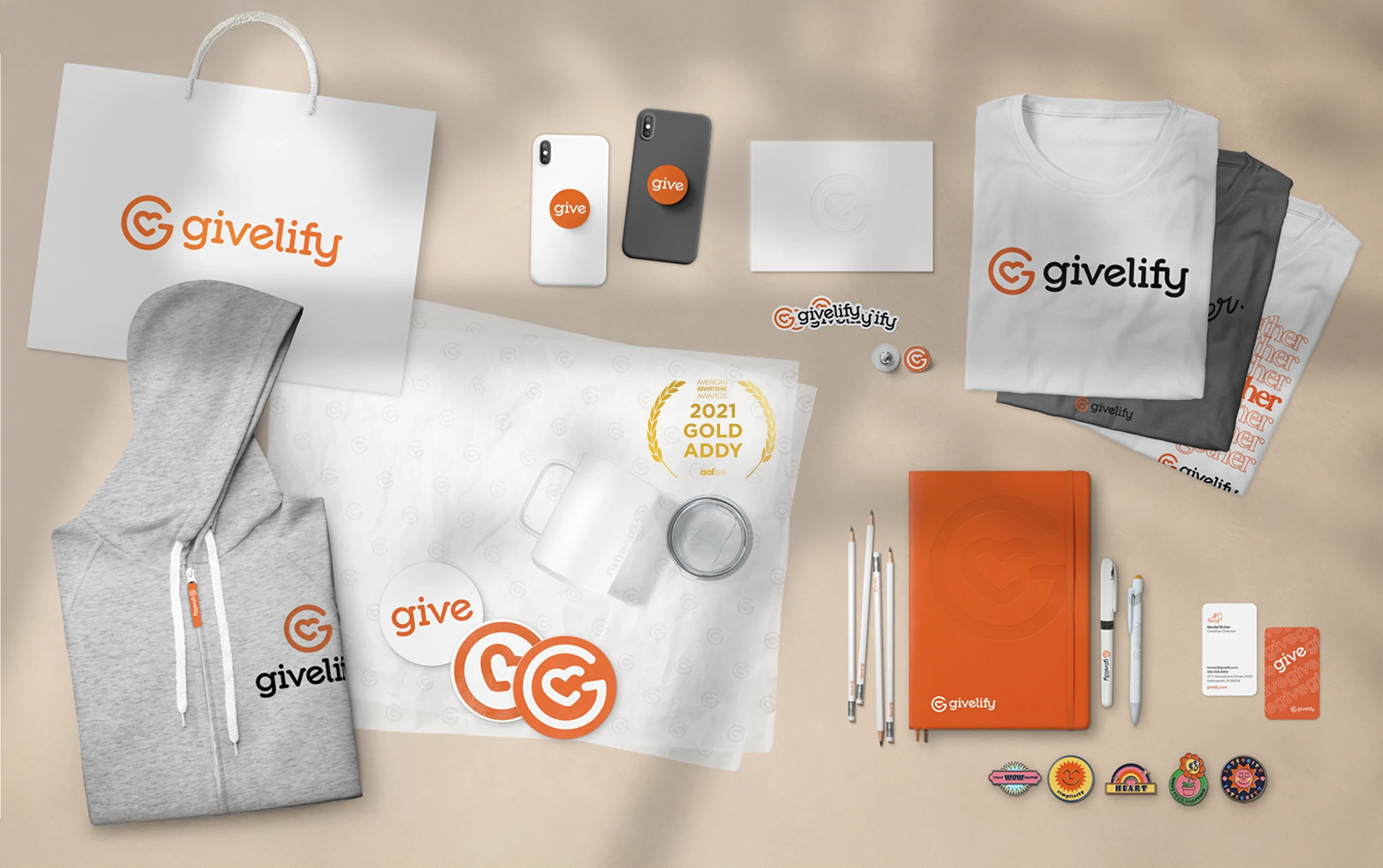
The rebrand went from that initial conference room presentation to full company launch in under five months. No revision cycles. No committee redesign. Zero change requests at that critical concept juncture accelerated the timeline by three or four months. At the end of it all? GDUSA In-House Design Award. Gold ADDY. Internal and external audiences alike celebrating the refreshed brand.
Here's the thing though: I'd have shown two concepts if two concepts was the right answer. Or three, even. The question creative leaders should be asking isn't how many concepts do we present? It's what do we actually need to learn from this review, and what's the most efficient way to learn it?
The full case study — research process, strategic framework, implementation — is here, if you want to see how this one came together in more detail.
I'm currently seeking Director/VP-level creative leadership roles at established tech/SaaS companies. My background includes:
Brand Transformation: Led award-winning rebrand at Celigo (GDUSA, Gold ADDY recognition) that saved $500K+ on a single project
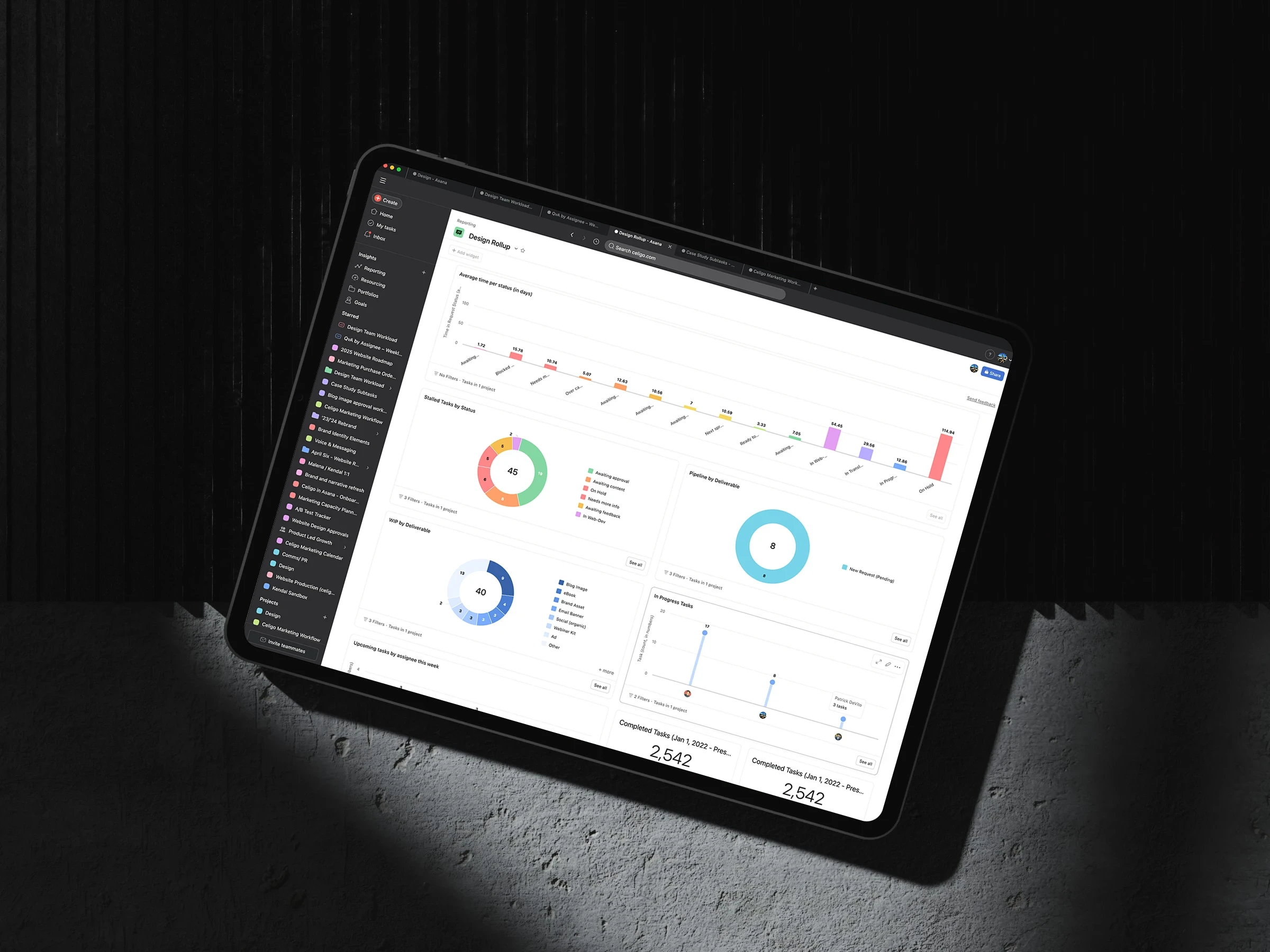
Creative Operations: Built systems that increased team output 238% while maintaining quality
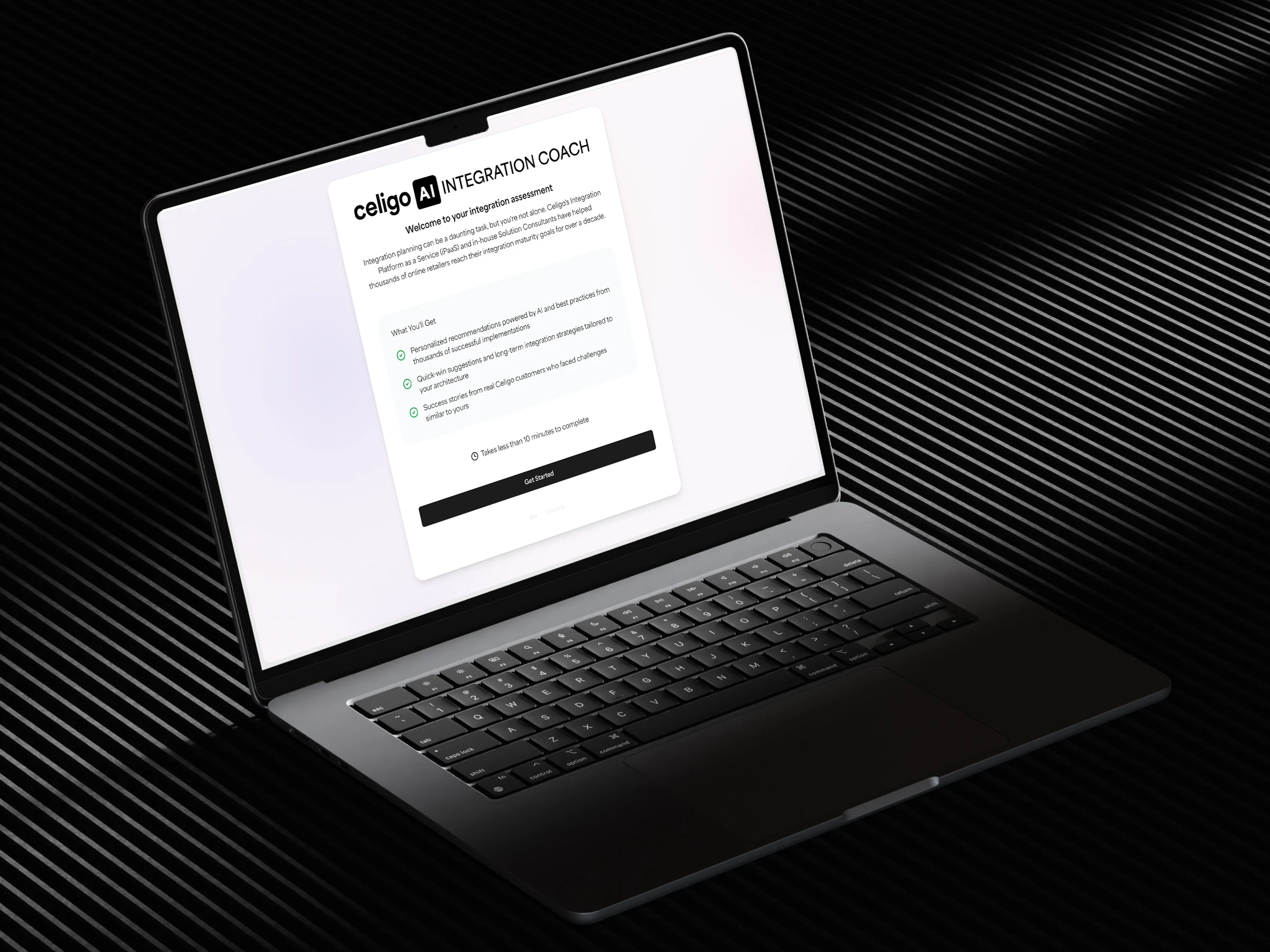
Strategic Innovation: Developed AI-powered tools and data-informed processes that connect creative excellence to measurable business impact
View my portfolio or connect with me on LinkedIn if you'd like to chat about creative leadership, operational excellence, or how to build more research-informed creative teams.